Digital Humanities and Digital Classics
For Materials and Methods (509)
Francesca Giannetti
October 9, 2025
Link
Go to slides.francescagiannetti.com for the slides.
What is/are Digital Humanities?
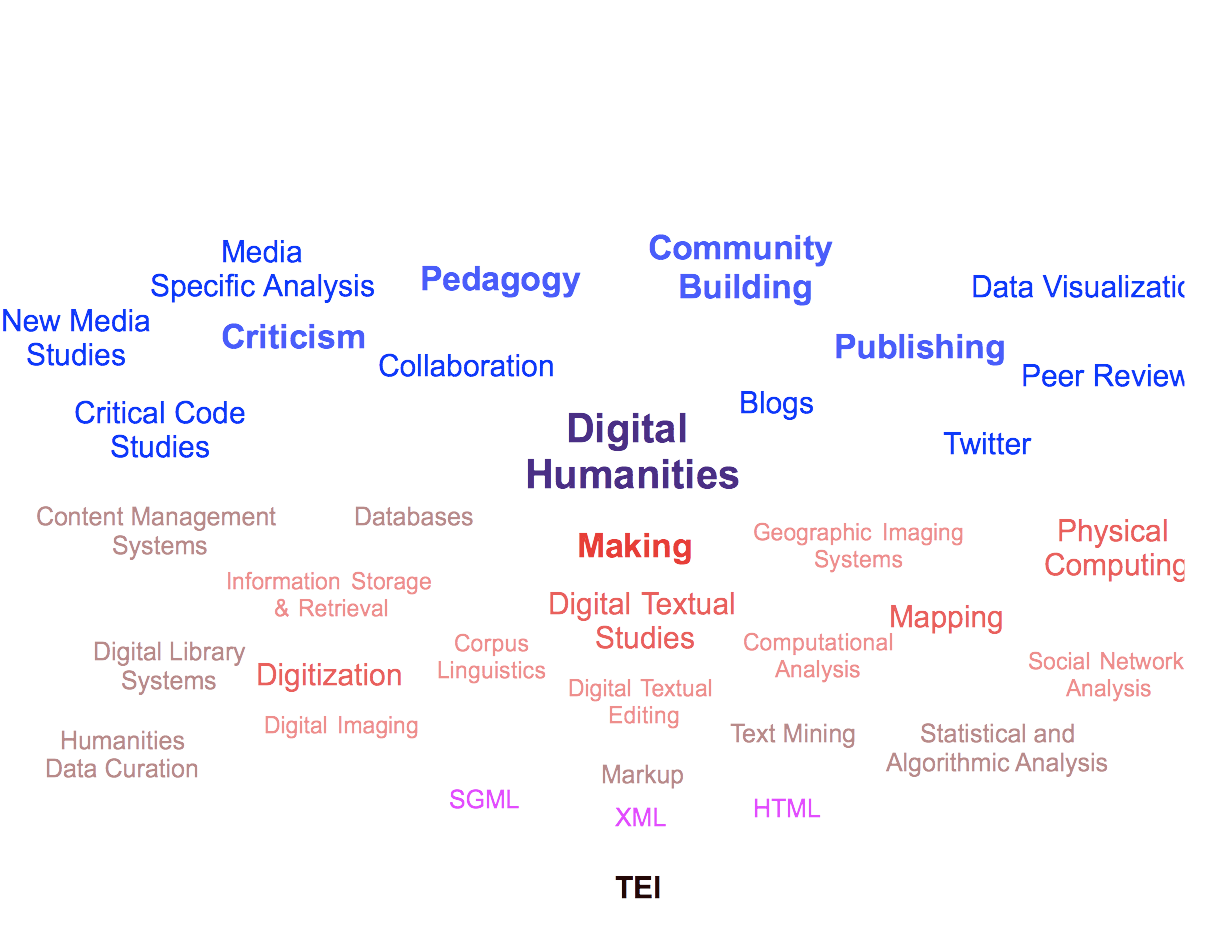
Source: Julia Flanders, “Overview of Text Encoding and the TEI.”
Definitions
The application of computational technologies and digital
methodologies to research in the humanities: the application of
humanities methodologies to the study of digital phenomena.
Claire Warwick, “What is Digital Humanities?”
Definitions (cont.)
DH is defined by communities of practice, whether those are
of shared methods, research questions, values, or something else.
Amanda Visconti, “A Digital Humanities What, Why, & How”
DH: An informal taxonomy
Shifts in scale: close reading, distant reading, both at once
Shifts in perspective: Latino/x, Black DH, Global DH, Queer DH, Right-to-Left (RTL), and so on
Exploration: Digital collections and exhibits, exploratory visualizations/interfaces
Play: Electronic literature (e-lit), data sonification, #DHmakes (on Bluesky), analog/digital mashups, glitch, failure, generative art/poetry
Local examples
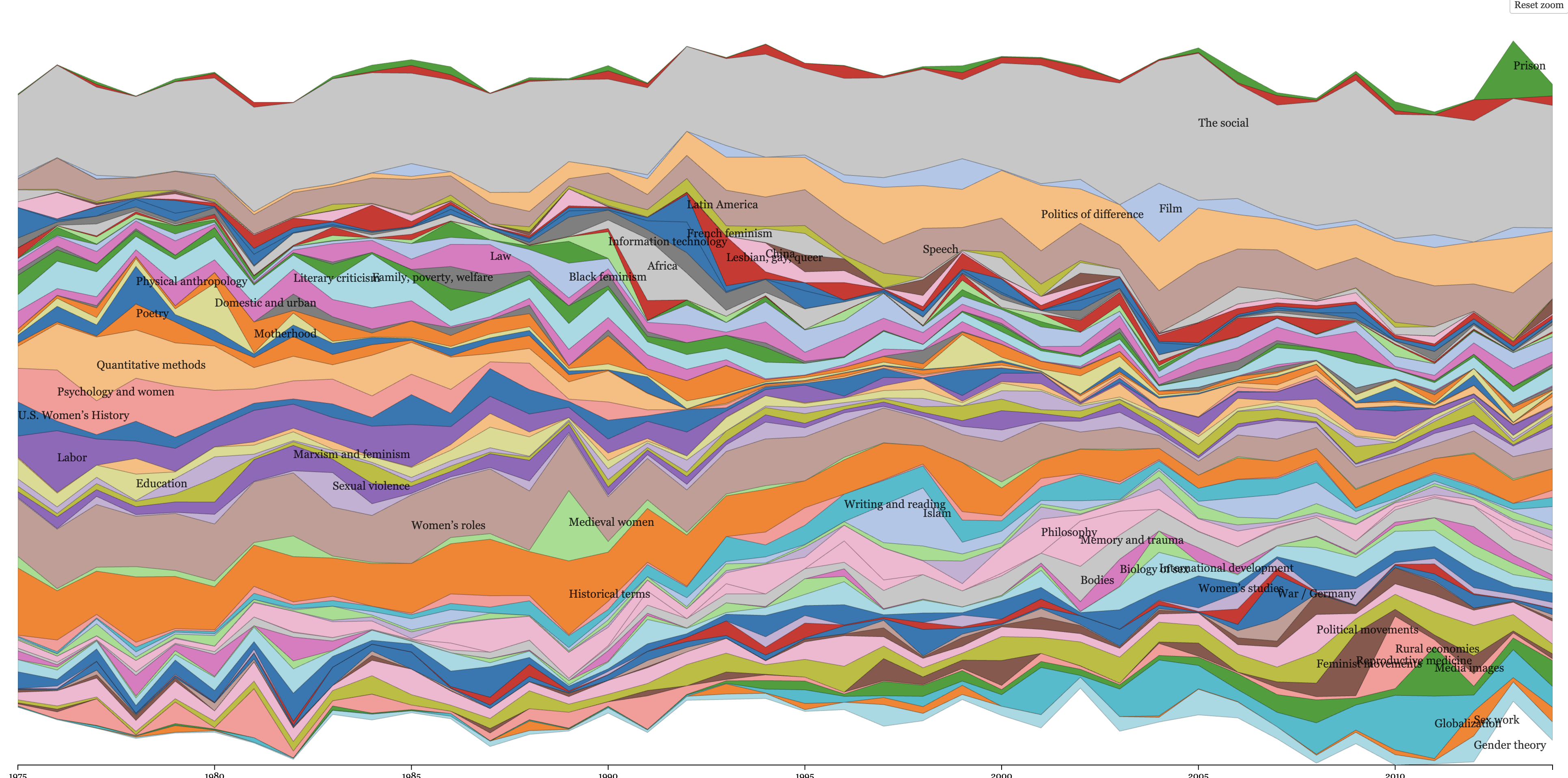
Local examples (2)
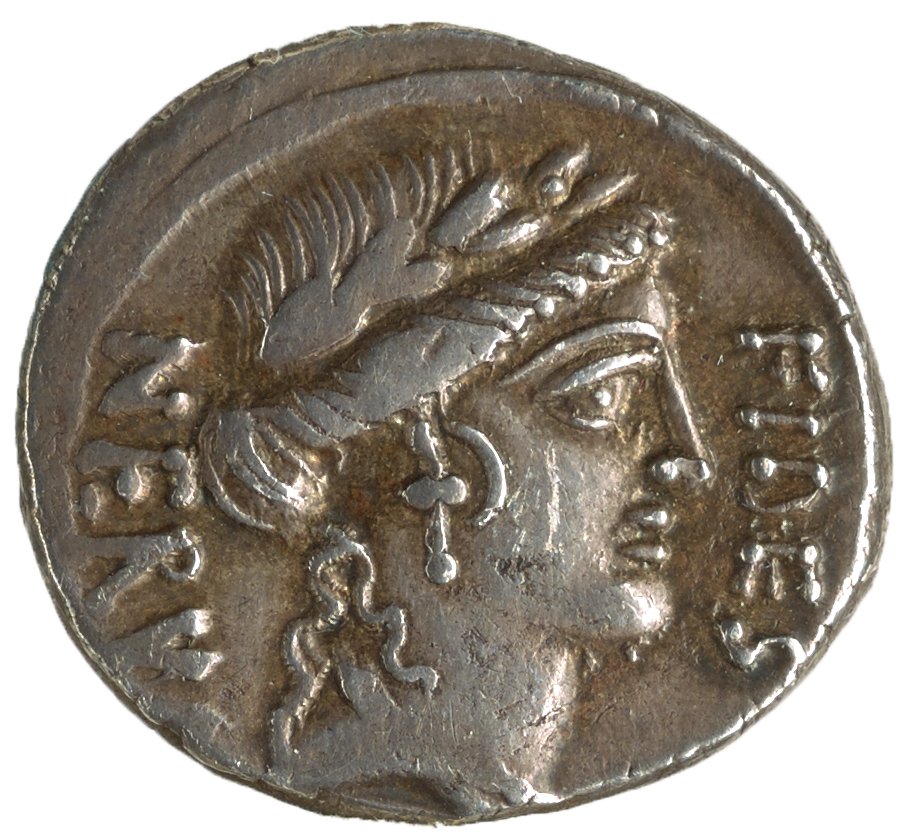
The Badian Collection: Coins of the Roman Republic
Local examples (3)
Personal Correspondence from the Rutgers College War Service Bureau
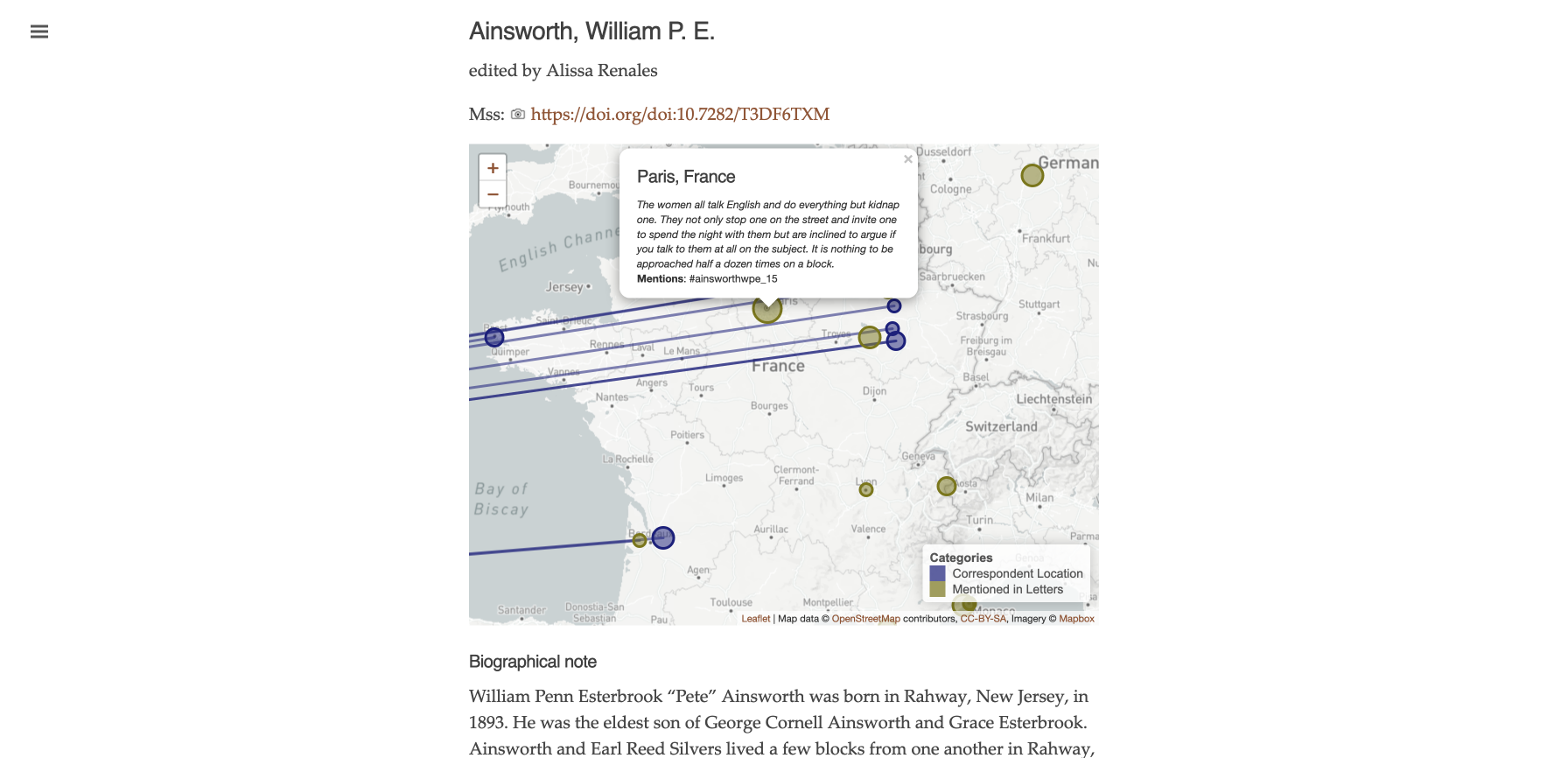
Beyond Rutgers
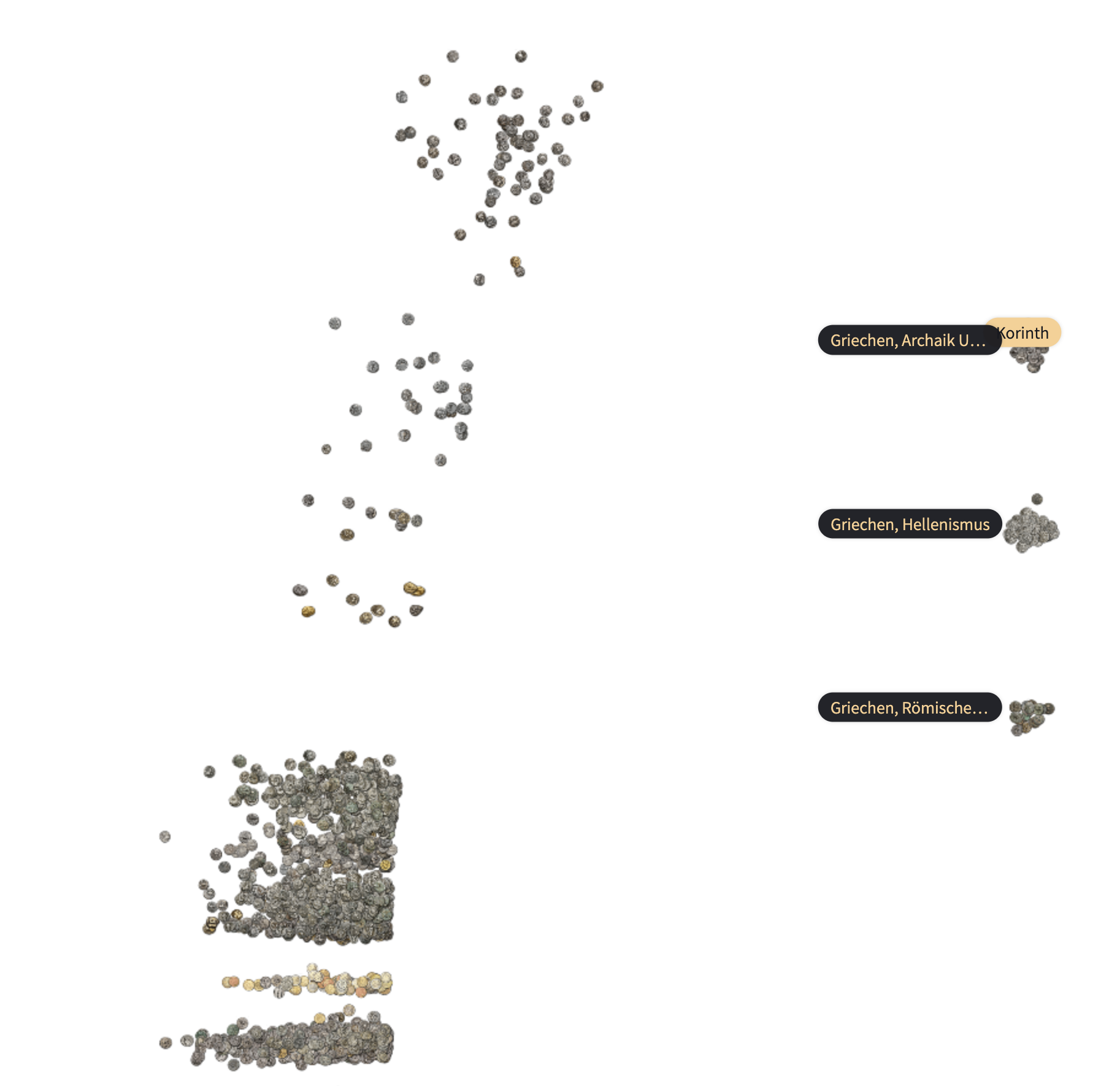
Beyond Rutgers (2)
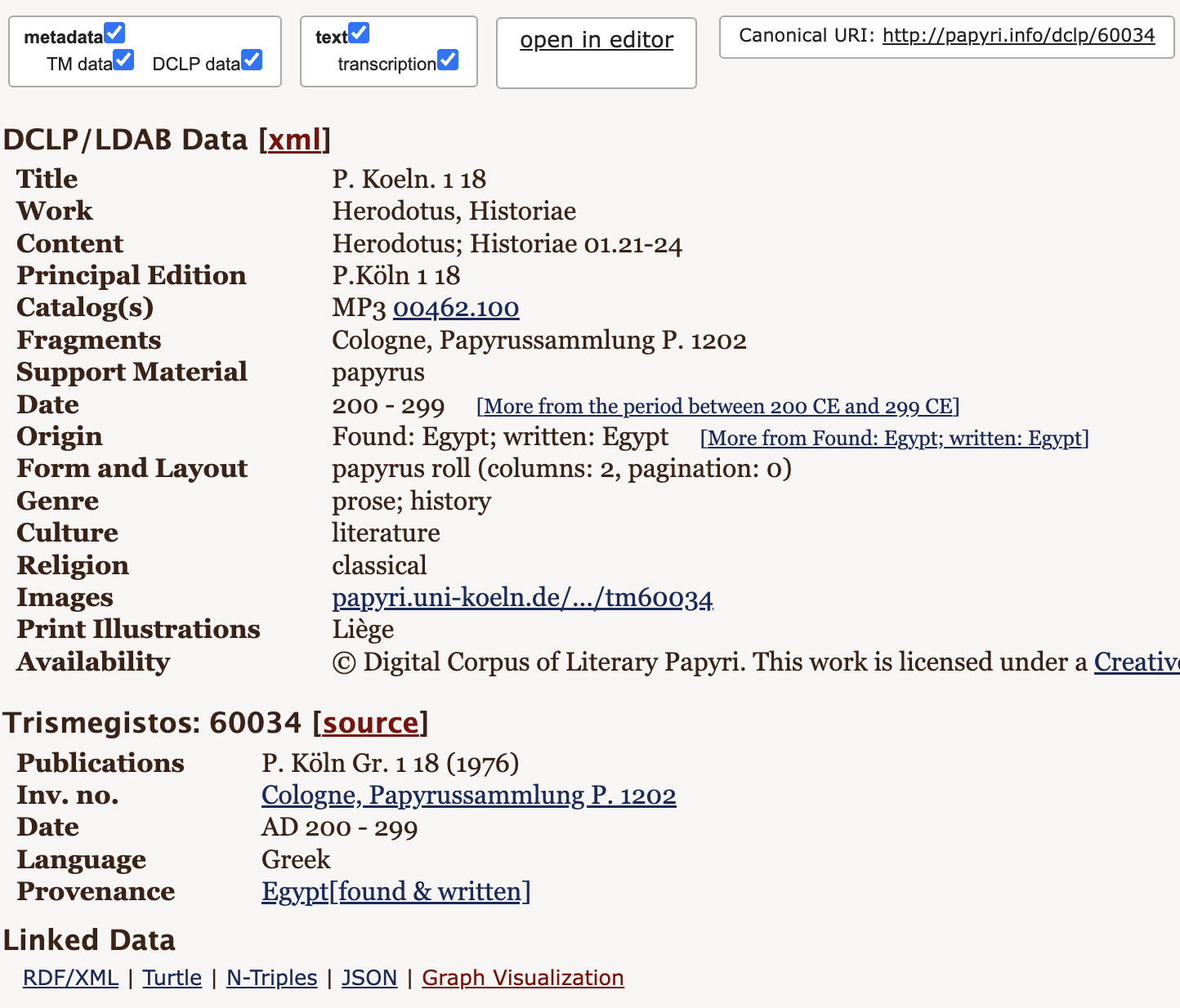
Some Key Methods in Digital Classics
- International Image Interoperability Framework (IIIF)
- Linked Open Data (LOD)
- Text Encoding Initiative (TEI), esp. EpiDoc
- 3D imaging and modeling
Information resources
- Digital Classics Wiki
- Digital Humanities Literacy Guidebook
- Reviews in Digital Humanities, esp. project registry
Rutgers DHI
- Website: dh.rutgers.edu
- Mailing list: digi_hum@email.rutgers.edu
- Workshops: libcal.rutgers.edu/calendar/nblworkshops
- Projects:dh.rutgers.edu/projects
Readings
- Elliott, Tom. “The Pleiadic Gaze: Looking at Archaeology from the Perspective of a Digital Gazetteer.”
- Walsh, Lisl. “Futures of Classics: Obsolescence and Digital Pedagogy.”
Elliott
In Pleiades, therefore, places are conceptual entities: we apply the term to any locus of human attention, material or intellectual, in a real-world geographic context, whether or not it can be named or mapped or visited today. The spatial aspects of Pleiades places (that is, latitude and longitude coordinates in space), as well as their ancient and modern names, are subordinated to this idea of place, becoming optional attributes in the information construct, rather than first-class entities
Elliott (2)
Advantages of digital format: open, online, editable, extensible, interoperable, citable, not limited by length
Connections and relationships become machine actionable through Linked Open Data
Pleiades makes the citation of place as straightforward as a textual citation through URIs
Elliott (3)
In throwing off the normalizing tyranny of a single map view to embrace the radical equality of all places, Pleiades was born citation-ready.
Linked Open Data
- Structured information in a machine readable format
- Interoperable, using internationally adopted standards
- Openly published
Attribute-value pair
place=identifier
Ancient Corinth=Q1363688
[Modern] Corinth=Q103011
Triples
- In LOD, relationships between items are expressed as triples
- E.g.
currency:corinth.bmc_corinth.79-80 event:mintedIn place:Q1363688
Triples (cont.)
| subject | predicate | object |
|---|---|---|
| currency:corinth.bmc_corinth.79-80 | event:mintedIn | place:Q1363688 |
Ontologies
- AKA knowledge organization
- “Give me the find spots of all coins minted in Corinth”
- LOD can link datasets that were created with no explicit intention to link them together
Walsh
Unlike undergraduate curricula in English literature, History, or Modern/Foreign Language, a Classics curriculum often necessitates an acknowledgement of the relative scarcity of its evidence and the consequent necessity for multi-disciplinary approaches to the evidence we do have. The skill this trains, I propose, could be called “partial-puzzle analytics.”
Walsh (2)
Resist making value judgments about which methodological tools are more/less important
Emphasize using multiple tools, and multiple “correct” versions
“Thinking like a Classicist” or “partial-puzzle analytics” is the contribution of Classics to the public good
Using the study of Classics as a means to learn a tool harms the future of the discipline
Questions
Elliott champions the approach of Pleiades in comparison to previous atlases. What might be the drawbacks?
How do you see the relative importance of digital tools in your areas of study?
Thoughts about how the discipline of Classics should or should not change in response to the times?
Exploration
- Time permitting, let’s look at Recogito, a Pelagios affiliated project that facilitates collaborative semantic annotation.